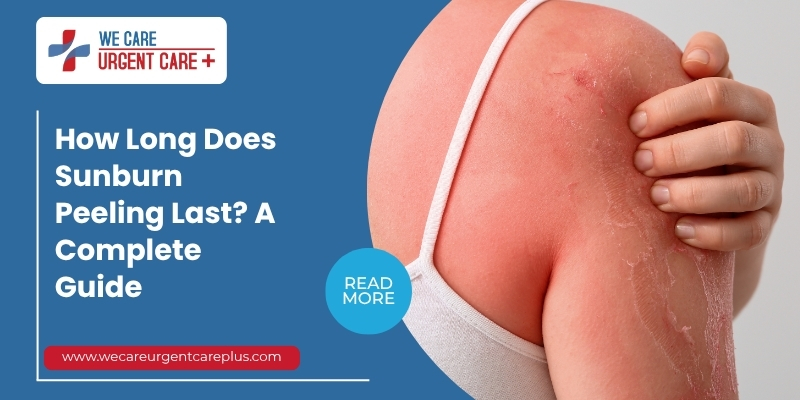
Summer sunshine feels incredible until the burn sets in. Whether you spent too long at the beach, forgot to reapply sunscreen, or underestimated the afternoon heat, sunburn is one of the most common skin injuries people experience. And after the redness fades, one question inevitably comes up: how long does sunburn peeling last?
Peeling skin after a sunburn can feel alarming, uncomfortable, and inconvenient. But here’s the truth: it’s actually a sign your body is doing exactly what it’s designed to do. Understanding why it happens, how long it lasts, and what you can do to speed up recovery can make the entire healing process much smoother.
Why Does Sunburn Peeling Happen?
To understand peeling, you first need to understand what ultraviolet (UV) radiation actually does to your skin at a cellular level. When your skin is exposed to too much UV light, whether from the sun or a tanning bed, the DNA in your skin cells gets damaged. This triggers a biological response that’s both protective and destructive.
Your immune system responds by rushing blood to the affected area (that’s the redness and warmth you feel). At the same time, damaged skin cells receive a signal to self-destruct in a process called apoptosis. This is your body’s way of eliminating potentially precancerous cells before they can multiply and cause harm.
Once these damaged skin cells die off, your body starts pushing new, healthy skin cells up from the deeper layers. As the dead outer layer separates from the fresh layer below, it begins to lift and flake off, and that’s exactly what sunburn peeling is.
How Long Does Sunburn Peeling Last?
The million-dollar question and the answer depend on several important factors. On average, sunburn peeling lasts anywhere from 3 to 7 days. However, moderate to severe sunburns may see peeling continue for up to two weeks.
Here’s a breakdown of how long sunburn peeling typically lasts based on burn severity:
- Mild sunburn: Peeling may last just 2–3 days and involve light, fine flaking similar to dry skin.
- Moderate sunburn: Peeling typically lasts 5–7 days with more noticeable skin shedding and occasional large flakes.
- Severe sunburn: Peeling can last up to 10–14 days and may be accompanied by blistering, swelling, and significant discomfort.
It’s important to understand that peeling doesn’t happen all at once. It typically begins 3–5 days after the initial sun exposure and gradually slows down over the following week as new skin emerges.
Factors That Affect How Long Peeling Lasts
Several personal and environmental factors influence the duration and intensity of sunburn peeling:
- Skin type: Fair-skinned individuals typically burn faster and peel more severely than those with darker complexions.
- Sun exposure duration: A longer time in the sun without protection leads to deeper skin damage and prolonged peeling.
- Sunscreen use: People who applied some SPF protection may experience milder and shorter peeling compared to those with no protection.
- Hydration levels: Well-hydrated skin tends to heal faster and peel less aggressively.
- Age: Younger skin regenerates more quickly than mature skin, which can slow recovery in older adults.
- Post-burn care: Starting proper skincare immediately after a sunburn, including moisturizing and avoiding further sun exposure, can significantly reduce peeling duration.
Sunburn Peeling Stages and Recovery Timeline
Understanding the typical sunburn recovery timeline can help you manage expectations and take the right steps at each stage. Here’s a detailed look at what happens day by day:
| Day / Stage | What Happens | What to Do |
| Day 1–2 (Redness Phase) | Skin turns red, hot, and painful. No peeling yet. | Apply cool compresses, drink water, and use aloe vera. |
| Day 2–3 (Blister/Tightness) | Skin feels tight; may develop blisters. Itching begins. | Avoid popping blisters. Apply fragrance-free moisturizer. |
| Day 3–5 (Peeling Begins) | Dead skin cells start lifting from the outer layer. | Let skin peel naturally. Keep skin moisturized. |
| Day 5–7 (Active Peeling) | Peak peeling stage. Large or small flakes come off. | Hydrate skin daily. Avoid sun exposure completely. |
| Day 7–10 (Peeling Slows) | New skin exposed underneath. Peeling gradually stops. | Use SPF 30+ sunscreen. Avoid exfoliating. |
| Day 10–14 (Recovery) | New skin may appear pink or lighter. Healing complete. | Continue moisturizing. Reintroduce the sun with protection. |
Keep in mind that everyone’s skin is different, and your personal timeline may vary based on the factors mentioned earlier. What’s most important is caring for your skin at every stage, rather than rushing the process
Does Peeling Mean a Sunburn Is Healing?
Yes, absolutely. Despite how uncomfortable or unsightly it may look, peeling skin is a definitive sign that your body’s natural repair system is working. When you see peeling begin, it means:
- Your immune system has already identified and triggered apoptosis in UV-damaged cells.
- Your body is actively pushing new, undamaged skin cells to the surface.
- The outer layer of dead cells is separating cleanly from the healthy new skin beneath.
- The healing process is progressing on schedule.
Think of peeling skin the same way you’d think of a scab forming over a wound. It looks rough, but it’s a biological sign of repair. The key is to support this process, not interrupt it.
How to Treat Peeling Skin From Sunburn
Proper treatment during the peeling phase isn’t just about comfort; it’s about protecting your newly regenerated skin and preventing complications. Here’s a structured approach to treating peeling sunburned skin effectively:
Step 1: Hydrate From the Inside Out
Sunburn draws fluid to the skin’s surface and dehydrates the body. Drinking extra water, ideally 8–10 glasses per day, helps your body regenerate skin cells faster and reduces the severity of peeling.
Step 2: Apply a Gentle Moisturizer
Reach for a fragrance-free, alcohol-free moisturizer that contains skin-soothing ingredients. Look for products with:
- Aloe vera is cooling and anti-inflammatory
- Hyaluronic acid deep hydration for damaged skin
- Ceramides help rebuild the skin barrier
- Oatmeal-based formulas reduce itching and redness
Apply moisturizer generously after every shower while skin is still slightly damp to lock in moisture.
Step 3: Take Cool (Not Cold) Showers
Hot water strips the skin of its natural oils and worsens dryness. Cool showers help soothe inflamed skin and reduce further damage without shocking the skin or slowing circulation to the healing area.
Step 4: Use Over-the-Counter Remedies
A few OTC options can significantly ease discomfort during the peeling phase:
- 1% hydrocortisone cream: Reduces inflammation and itching when applied twice daily.
- Ibuprofen or aspirin: Reduces inflammation and pain systemically. Avoid acetaminophen, as it doesn’t have anti-inflammatory properties.
- Antihistamines: Oral antihistamines like diphenhydramine (Benadryl) can reduce itching, especially at night.
Step 5: Protect New Skin from UV Exposure
The new skin that appears after peeling is extremely sensitive to UV radiation. Going back out in the sun without protection during this stage can cause re-injury almost immediately. Always:
- Apply SPF 30 or higher broad-spectrum sunscreen before any outdoor activity.
- Wear lightweight, long-sleeved clothing over affected areas.
- Seek shade between 10 AM and 4 PM when UV radiation is most intense.
Avoid exfoliating scrubs, retinol products, or any active skincare ingredients (like AHAs or BHAs) on sunburned skin until it has fully healed, as these can further irritate already-compromised skin.
Sunburn Peeling: Do’s and Don’ts at a Glance
| ✔ DO | ✘ DON’T |
| Keep skin moisturized with aloe vera or fragrance-free lotion | Peel or pick at the skin manually |
| Drink at least 8–10 glasses of water daily | Use products with alcohol or fragrances |
| Take cool (not cold) showers | Take hot showers that dry out skin further |
| Apply SPF 30+ before any sun exposure | Go back into the sun without protection |
| Use over-the-counter 1% hydrocortisone cream for itching | Use petroleum-based products that trap heat |
| Take ibuprofen or aspirin to reduce inflammation | Exfoliate or scrub the affected area |
| Wear loose, breathable clothing over affected areas | Wear tight, synthetic fabrics that rub the skin |
How to Speed Up Sunburn Healing
While the body’s natural healing timeline must be respected, there are several evidence-backed strategies that can genuinely help your skin recover faster from a sunburn
- Don’t wait for peeling to begin. Apply aloe vera or a gentle lotion as soon as you notice redness to keep skin hydrated and reduce the severity. Start moisturizing immediately
- Applying a cool, damp cloth to sunburned areas for 10–15 minutes several times a day during the first 24–48 hours can significantly reduce initial inflammation. Cool compress therapy
- Eating foods rich in antioxidants, such as berries, leafy greens, tomatoes, and nuts, can support skin cell repair from the inside. Vitamin C-rich foods are especially helpful. Anti-inflammatory foods
- Vitamin E is a skin-healing antioxidant. Applying vitamin E oil topically (after the blistering phase) or taking it orally may support faster skin regeneration. Vitamin E supplementation: Every additional minute in the sun without protection during recovery resets and delays the healing clock. This is one of the most impactful things you can do. Avoid further UV exposure
- Skin cell regeneration accelerates during sleep. Prioritize 7–9 hours of quality sleep to support faster recovery. Get adequate sleep
Preventing Sunburn and Peeling in the Future
The best sunburn treatment is the one you never need. Preventing sunburn doesn’t mean avoiding the outdoors; it means being smart about sun protection. Here are the most effective strategies:
- Apply broad-spectrum SPF 30+ sunscreen 15–20 minutes before going outdoors.
- Reapply every 2 hours, and more frequently if swimming or sweating.
- Wear UV-protective clothing, wide-brimmed hats, and UV-blocking sunglasses.
- Seek shade between 10 AM and 4 PM when the sun’s UV rays are at their peak.
- Avoid tanning beds, which emit concentrated UV radiation directly onto the skin.
- Check the UV Index before outdoor activities; anything above 6 warrants extra protection.
Consistent sun protection not only prevents painful sunburns but also significantly reduces your long-term risk of skin cancer, premature aging, and hyperpigmentation.
When Should You See a Doctor for Sunburn?
Most sunburns, even those that peel, can be managed at home with proper self-care. However, certain signs and symptoms indicate that your sunburn may be more serious than a typical surface-level injury and warrants professional medical attention.
Seek urgent care or medical attention if you experience:
- Fever over 103°F (39.4°C) accompanied by chills or nausea
- Severe blistering that covers a large area of the body
- Signs of infection: increasing pain, swelling, red streaks, or pus from blisters
- Extreme dizziness, confusion, or fainting are signs of heat stroke
- Dehydration: dry mouth, not urinating, extreme thirst
- Peeling that does not stop or worsen after two weeks
- Rapid heartbeat or difficulty breathing
- Sunburn in infants or young children, which always warrants a medical evaluation
At WeCare Urgent Care Plus, our experienced medical team is equipped to treat moderate to severe sunburns, manage complications, and provide guidance on proper skin recovery. You don’t need an appointment; walk-ins are welcome, and we’re here to help you heal safely and quickly.
Final Thoughts
So, how long does sunburn peeling last? For most people, peeling lasts between 3 and 7 days, though more severe burns can stretch that timeline to two weeks. The peeling itself is a sign of healing, your body’s clever way of shedding UV-damaged skin and replacing it with something healthier.
The best thing you can do is support that process: stay hydrated, moisturize daily, avoid picking at the skin, protect yourself from further UV exposure, and watch for any warning signs that might need professional attention. With the right care, your skin will bounce back stronger than before.
FAQs
Q1.Can you stop a sunburn from peeling?
You may not be able to completely prevent peeling once skin damage has occurred, but keeping the skin moisturized, staying hydrated, and avoiding further sun exposure can help reduce the severity of peeling and support healing.
Q2.Should you peel sunburned skin?
No, you should avoid peeling or picking at sunburned skin. Let the skin shed naturally to reduce the risk of irritation, infection, and delayed healing.
Q3.What is the fastest way to heal a sunburn?
The fastest way to heal a sunburn is to cool the skin with cold compresses, apply a gentle moisturizer or aloe vera gel, drink plenty of water, and stay out of the sun until the skin has recovered.